

Is Sedating Your Pet for Travel a Safe Idea?
Understanding Pet Travel Anxiety
The thought of traveling with an anxious pet can be stressful for any owner. Whether it’s a short trip to the vet across Toronto or a long-distance move, you want your furry family member to be as comfortable as possible.
This concern often leads pet parents to consider sedation as a solution for calming pets for travel, but it’s a decision that carries significant risks and requires careful consideration. At Your Dog Butler, Toronto’s #1 Pet Taxi Service, we prioritize your pet’s safety above all else, and we believe informed owners make the best decisions for their companions.
What Vets and Airlines Say About Pet Travel Sedation
Most veterinarians and animal travel experts advise against sedating pets for travel, especially for flights. The primary concern revolves around how sedatives affect a pet’s natural ability to react to their environment. Sedation can lower heart rate and respiration, which can be dangerous when combined with the atmospheric and temperature changes in an airplane’s cargo hold.
It’s worth noting that airlines don’t uniformly ban sedation outright — IATA’s Live Animals Acceptance Checklist requires that any sedation be declared and labelled on the crate (time, type, dosage, and estimated duration) rather than treating it as an automatic disqualifier. In practice, most airlines’ own policies still discourage or prohibit it for cargo-hold travel, which is why our team defaults to non-sedated, supervised ground transport whenever possible. If you’re moving a senior or anxious pet, our guide to transporting anxious and senior pets covers calming alternatives to sedation, and if you’re flying a cat specifically, see our feline flight anxiety and YYZ check-in guide.
A groggy pet cannot brace themselves for turbulence or regulate their body temperature effectively, increasing the risk of injury or respiratory distress. The American Veterinary Medical Association strongly cautions against sedation for air travel unless specifically recommended by a veterinarian for a unique case. The question of “is it safe to sedate pets for flying?” is complex, but the general consensus leans heavily towards no.
For ground transport, the risks are different but still present, making it a last resort rather than a go-to solution. Before considering any form of sedation, a thorough consultation with your veterinarian is absolutely essential to discuss your pet’s specific health needs and the nature of your trip.

The Dangers of Sedating a Dog or Cat for Travel
When considering sedating a dog for travel or sedating a cat for travel, it’s crucial to understand the potential side effects. These medications can have unpredictable results, sometimes even causing paradoxical excitement or increased anxiety instead of calmness. The risks are magnified when the pet is unsupervised for long periods, such as during a flight or a long-distance drive. We believe a proactive approach to comfort is far safer than a reactive one involving medication.
Key risks associated with pet travel sedation include:
- Impaired Balance and Coordination: A sedated pet is more likely to be injured during transit as they cannot properly brace themselves against movement or turbulence.
- Respiratory and Cardiovascular Depression: Sedatives can slow breathing and heart rate, which is particularly dangerous at high altitudes where oxygen levels are lower.
- Inability to Regulate Body Temperature: Pets rely on panting or shivering to control their body temperature. Sedation can suppress these natural responses, leading to a risk of hypothermia or hyperthermia.
- Disorientation and Increased Anxiety: Instead of calming a pet, sedation can sometimes cause confusion and heightened fear, especially as the medication begins to wear off in an unfamiliar environment.
Safer Alternatives: Calming Pets for Travel Without Drugs
Fortunately, there are many effective and safe ways to reduce travel stress for your pet without resorting to sedation. The goal is to create a positive and secure association with the travel experience. This process starts long before the day of the trip and involves conditioning, creating a comfortable environment, and considering natural, non-prescription aids.
As Toronto’s most trusted pet transport service, with a 4.9-star Trustindex verified rating, we have seen firsthand how these methods can transform a stressful journey into a calm one. Exploring options for natural calming for dogs and cats can make a world of difference. Many owners find success with pheromone sprays or diffusers that mimic the natural calming scents produced by mother animals. Herbal supplements may also provide gentle relaxation, but you should always consult your vet before introducing any new supplement to your pet’s routine.
Here are some proven non-sedative calming strategies:
- Crate Acclimatization: Make the travel carrier a safe and happy place. Introduce it weeks in advance, feeding your pet meals inside, placing their favorite toys there, and making it a comfortable den.
- Familiar Scents: Place a blanket, t-shirt, or toy with your scent inside the carrier. This familiar smell can provide immense comfort and a sense of security during the journey.
- Pheromone Products: Use sprays or wipes like Feliway for cats or Adaptil for dogs. These products replicate natural calming pheromones and are proven to reduce stress in new or challenging situations.
- Exercise and Routine: Ensure your pet gets plenty of exercise before the trip to burn off excess energy. Stick to their normal feeding schedule as much as possible to maintain a sense of normalcy.

The Ultimate Safe Alternative: Professional Pet Transport
The single most effective way to ensure a safe and stress-free journey is to entrust your pet to experts. At Your Dog Butler, we have built our reputation on providing compassionate, professional, and secure pet transport. As the multi-year winner of the Top Choice Award for Best Pet Transportation Service since 2023, we have proven our commitment to excellence.
Our service is the ideal alternative to the risks of pet travel sedation. We handle everything from local pet taxi services in the GTA to complex international pet relocation, including all the stressful airport logistics and paperwork. Our vehicles are climate-controlled and designed for pet safety, and our experienced drivers are trained to recognize and respond to signs of stress, providing comfort and reassurance throughout the trip. We make regular stops for potty breaks and hydration on long-distance journeys, ensuring your pet arrives happy and healthy.
Don’t leave your pet’s well-being to chance. Call us now at 647-477-5858 for a free consultation.
How We Handle Different Travel Scenarios
Every trip is unique, and our approach is tailored to the specific needs of your pet and your journey. We specialize in navigating the complexities of all types of travel, removing the burden from you and the stress from your pet. Whether it’s a quick pet airport transfer or a cross-country move, our expertise ensures a smooth process from start to finish.
Our specialized services include:
- Pet Airport Transfer: We manage the entire airport process, from curbside check-in to coordinating with airline staff. We ensure all paperwork is in order and that your pet is comfortable and secure right up to the moment of departure, eliminating a major source of stress for both you and your pet.
- Long-Distance Ground Transport: For inter-provincial or cross-border travel to the US, our door-to-door service is the gold standard. We provide a private, quiet, and climate-controlled environment, a stark contrast to the noisy and unpredictable cargo hold of a plane.
- Local Pet Taxi in Toronto: Even short trips to the vet or groomer can be stressful. Our professional drivers and safe vehicles make these essential trips easy and calm, reinforcing a positive travel experience for your pet.
- Complex International Pet Relocation: We are experts in the intricate logistics of international moves. We handle customs, health certificates, and airline regulations, providing a seamless door-to-door service that guarantees your pet’s safety and your peace of mind.
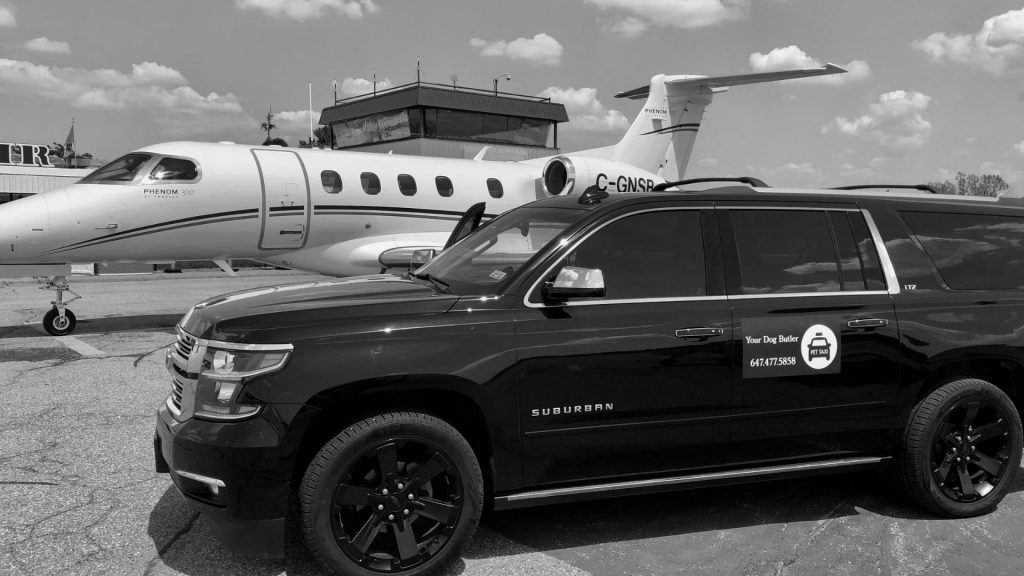
Your Safest Choice is a Professional Choice
When it comes to your pet’s safety during travel, there should be no compromise. While the idea of sedation might seem like a simple fix for an anxious pet, the risks are significant and often outweigh the benefits. The safest, most reliable, and most compassionate choice is to partner with a dedicated professional.
As Toronto’s #1 Pet Taxi Service and a 2026 Top Choice Award winner, Your Dog Butler offers the expertise and care your pet deserves. We have built unshakeable trust with thousands of pet owners by consistently delivering safe, stress-free travel. Instead of worrying about the dangers of sedation, let our team of experts provide a calm and secure journey for your beloved companion.
Book your pet’s ride online today!
Your Dog Butler provides calm, supervised pet transport across the GTA, including North York, Scarborough, Etobicoke, Mississauga, and Brampton.
Is it safe to sedate my dog or cat for a flight?
Most veterinarians and animal travel experts advise against it. Sedation can slow heart rate and breathing and reduce a pet’s ability to keep their balance or regulate body temperature, which becomes riskier in a cargo hold’s pressure and temperature changes. Talk to your vet before considering it, and ask about non-sedative anxiety options instead.
Do airlines allow sedated pets in the cargo hold?
It varies by airline. IATA’s own rules don’t ban sedation outright, but require it to be declared and labelled on the crate if used. Most individual airline policies discourage or prohibit it for hold travel. Always check your specific airline’s current pet policy before booking.
What can I use instead of sedatives to calm my pet for travel?
Crate training well before the trip, a familiar blanket or toy, pheromone sprays or calming aids recommended by your vet, and choosing ground transport over cargo-hold flying when possible all help reduce travel anxiety without the medical risks of sedation.
Is ground transport safer than sedating a pet for a flight?
For anxious pets, yes, in most cases. A calm, climate-controlled ground ride lets your pet stay alert, supervised, and able to regulate their own body temperature naturally, without the added respiratory and cardiac risks sedation carries at altitude.
Can senior pets be sedated for travel?
Senior pets carry extra risk with sedation, since age-related heart or respiratory conditions can be worsened by sedatives. A vet consultation is essential before considering it. See our guide to transporting anxious and senior pets for calmer, non-sedative options.
Will Your Dog Butler transport a sedated pet?
We prioritize your pet’s safety above all else and default to calm, supervised, non-sedated ground transport. If your vet has prescribed sedation for a specific medical reason, call us at 647-477-5858 to discuss your pet’s needs before booking.

