
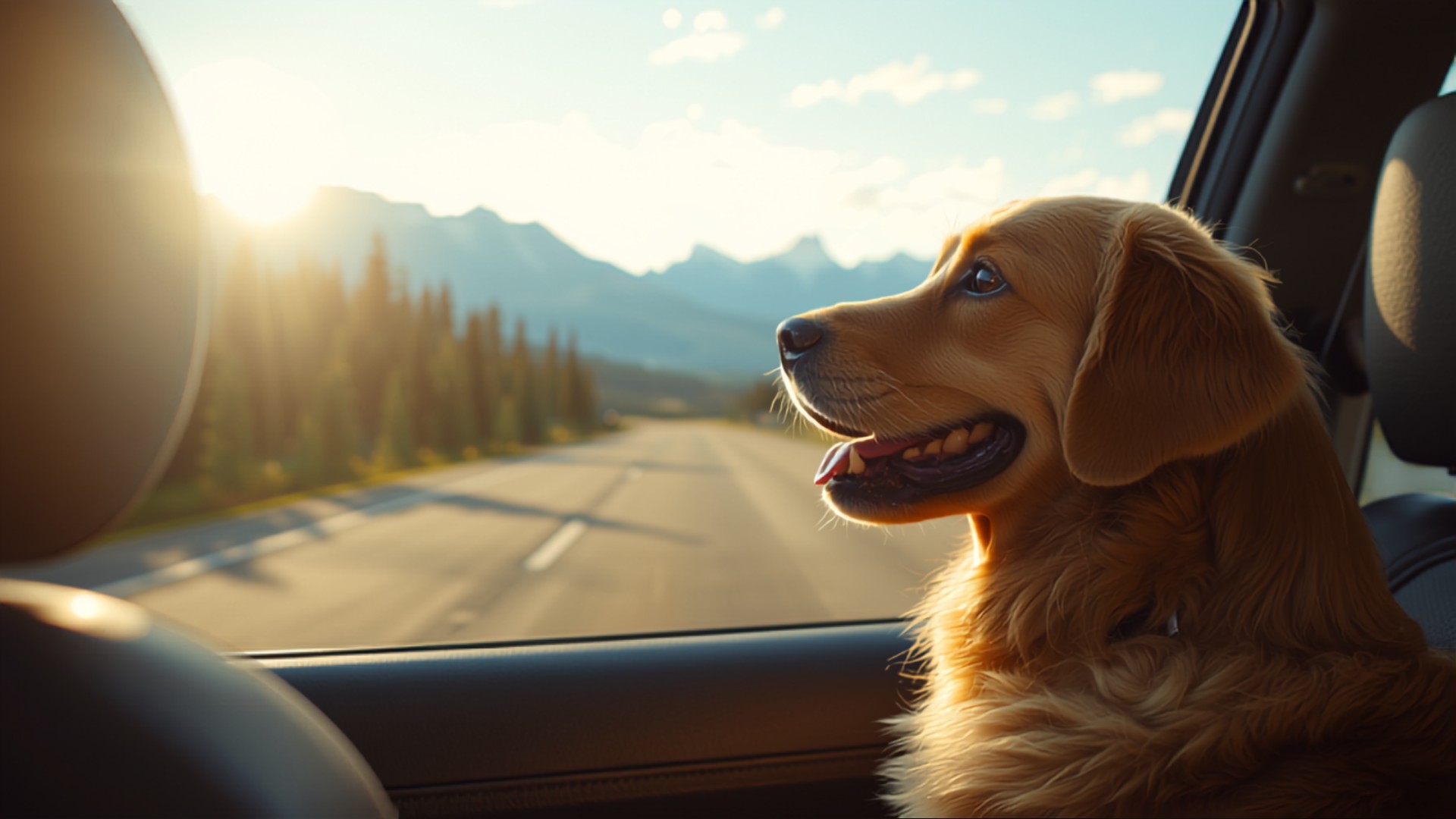
Moving a dog across Canada comes with a few concerns a cat move doesn’t: breed-specific legislation that varies by province, a crate sized for a much bigger animal, and a dog that needs actual bathroom and exercise breaks on a multi-day drive. If you’re planning a cross-country move with your dog, here’s what to work through before you go — and see our general guide to moving pets across Canada for the paperwork and logistics common to any species.
Check breed-specific legislation before you plan your route
Ontario restricts pit bulls under the Dog Owners’ Liability Act, and other provinces and municipalities have their own restricted-breed rules that don’t match Ontario’s. If your move crosses into or out of a jurisdiction with breed-specific legislation, confirm the current rules for your dog’s breed at both ends before you finalize a route — see our Ontario restricted-breed travel guide for the Toronto-area specifics.
Match the transport mode to your dog’s size
A 6 kg terrier and a 40 kg shepherd have very different options. Small and medium dogs can often travel in the cabin on a flight or in the back seat for a drive; large and giant breeds typically need cargo-hold air travel or ground transport with a properly sized, crash-tested crate. Whichever mode you choose, the crate itself needs to let your dog stand up, turn around, and lie down naturally — not just technically fit.
Crate training well before moving day
A dog that’s never spent real time in a crate shouldn’t meet one for the first time on moving day. Start weeks ahead: short sessions with the crate door open, then closed for a few minutes, gradually building up to the crate being a normal, calm place rather than a novelty. This matters even more for a multi-day drive, where your dog may be crated or restrained for long stretches at a time.
Plan real rest stops, not just gas stops
- Budget a bathroom and stretch break roughly every 2–3 hours, not just when you happen to need gas.
- Research pet-friendly rest areas and green space along your specific route in advance, especially through stretches with long gaps between towns.
- Never leave your dog alone in a parked vehicle, in any season — Canadian summer heat and winter cold both turn a parked car dangerous fast.
- Keep your dog leashed at every stop, even at a quiet-looking rest area — an unfamiliar environment is exactly when a startled dog is most likely to bolt.
Motion sickness and anxiety on a long drive
Some dogs handle car travel fine; others don’t, especially over consecutive long days. Signs to watch for include excessive drooling, panting, whining, or vomiting. A vet visit before the move is the right place to discuss this — including whether anti-nausea medication or an anti-anxiety approach makes sense for your specific dog. We generally avoid sedation as a default fix; see our post on sedating pets for travel for the considerations involved.
Documentation to have on hand
- Up-to-date vaccination records, including rabies
- A recent health certificate from your vet, timed appropriately before travel
- Your dog’s microchip number and updated contact information (this is the moment to make sure it’s current)
- Proof of ownership, in case you’re asked at a provincial border checkpoint or by a carrier
For the cost side of a cross-country move — what actually drives the price up or down — see our pet moving cost breakdown, and for help planning or executing the move itself, our pet transport service can coordinate the logistics end to end.
Frequently Asked Questions
Does breed-specific legislation affect a cross-Canada move?
It can. Ontario restricts pit bulls under the Dog Owners’ Liability Act, and other provinces and municipalities have their own restricted-breed rules. Confirm the current rules for your dog’s breed in both your starting and destination locations before you finalize your route.
Should my dog fly in the cabin or as cargo for a cross-country move?
It depends mainly on size. Small and medium dogs can often travel in the cabin; large and giant breeds typically need cargo-hold air travel or ground transport with a properly sized, crash-tested crate that lets them stand, turn, and lie down naturally.
How often should I stop on a multi-day drive with my dog?
Plan a real bathroom and stretch break roughly every 2–3 hours, not just when you need gas, and never leave your dog alone in a parked vehicle in any season.
Is sedation a good idea for a nervous dog on a long move?
We don’t recommend defaulting to sedation. Talk to your vet about your specific dog’s anxiety or motion sickness — there are non-sedation approaches worth trying first, and any medication decision should be made with your vet, not assumed.
What documents does my dog need for an interprovincial move?
Up-to-date vaccination records including rabies, a recent health certificate from your vet, a current microchip registration, and proof of ownership are worth having on hand, even though interprovincial moves within Canada don’t involve customs.

