

Debunking the Top 7 Myths of Pet Transportation
Myth 1: Pet Cargo is Dangerously Unsafe
This is one of the most persistent pet travel myths. The thought of a beloved pet in the cargo hold can be stressful, but for most airlines, it is a highly regulated and safe environment. The cargo area where live animals are transported is pressurized and temperature-controlled, just like the passenger cabin.
Our team works exclusively with airlines that have proven, established live animal programs to ensure your pet’s environment is comfortable and secure throughout the journey. We mitigate risks by ensuring all paperwork is perfect, the travel crate is IATA-compliant, and the logistics are timed flawlessly to minimize stress and wait times.
The question isn’t just “is pet cargo safe?” but “who is managing the process?” As Toronto’s #1 Pet Taxi Service, with a 4.9-star Trustindex verified rating, we ensure every detail is handled with professional care. We have managed hundreds of successful international relocations, giving us the expertise to navigate airline protocols with precision. For a detailed consultation on your pet’s specific air travel needs, call us now at 647-477-5858 for a free consultation.
Myth 2: Any Small Pet Can Fly in the Cabin
While many pet owners dream of their furry friend sitting at their feet, the reality of “can pets fly in cabin” is far more complex. Airline policies are incredibly strict and vary significantly. Factors like your pet’s size, weight, breed, and even the specific aircraft can determine eligibility.
Most airlines have a very limited number of pet spots available in the cabin per flight, which get booked months in advance. Furthermore, each destination country has its own rules about how animals can arrive; some do not permit in-cabin entry for pets at all, requiring them to arrive as manifest cargo for customs clearance. Don’t risk being turned away at the airport; let our experts handle the logistics. Book your pet’s ride or request a quote online today!

Myth 3: Sedating Your Pet Makes Travel Easier
This is a dangerous misconception. Both the American Veterinary Medical Association and airlines strongly advise against sedating pets for air travel. Sedatives can affect a pet’s ability to regulate their body temperature and maintain balance in a moving environment, posing significant health risks, especially at altitude. IATA’s own rules require any sedation to be declared and labelled on the crate rather than banning it outright, but most individual airline policies still discourage or prohibit it for cargo-hold travel. See our full guide to pet travel sedation for the complete picture.
An animal that is groggy cannot react naturally to turbulence or brace itself, which can lead to injury. Airlines may even refuse to transport a pet that appears to be sedated due to these safety concerns. Our compassionate approach focuses on acclimatization and creating a calm environment instead of medication. We believe a well-prepared pet is a calm pet, and this preparation is far safer and more effective than sedation. For expert advice on preparing your pet for travel, call us at 647-477-5858.
Myth 4: All Professional Pet Movers Are the Same
This could not be further from the truth. The level of safety, expertise, and care varies dramatically between providers. A trustworthy mover is more than just a driver; they are a logistics expert, an animal handler, and your peace of mind.
When choosing a mover, it’s vital to look for verifiable credentials and a commitment to safety. We recommend looking for members of the International Pet and Animal Transportation Association (IPATA), which holds its members to the highest ethical standards. Our track record speaks for itself.
- Verified Credentials: We proudly display our multi-year Top Choice Award wins and our 4.9-star Trustindex rating as proof of our consistent, high-quality service.
- Comprehensive Services: We offer a full suite of services, from local pet taxi to full-service international air travel coordination.
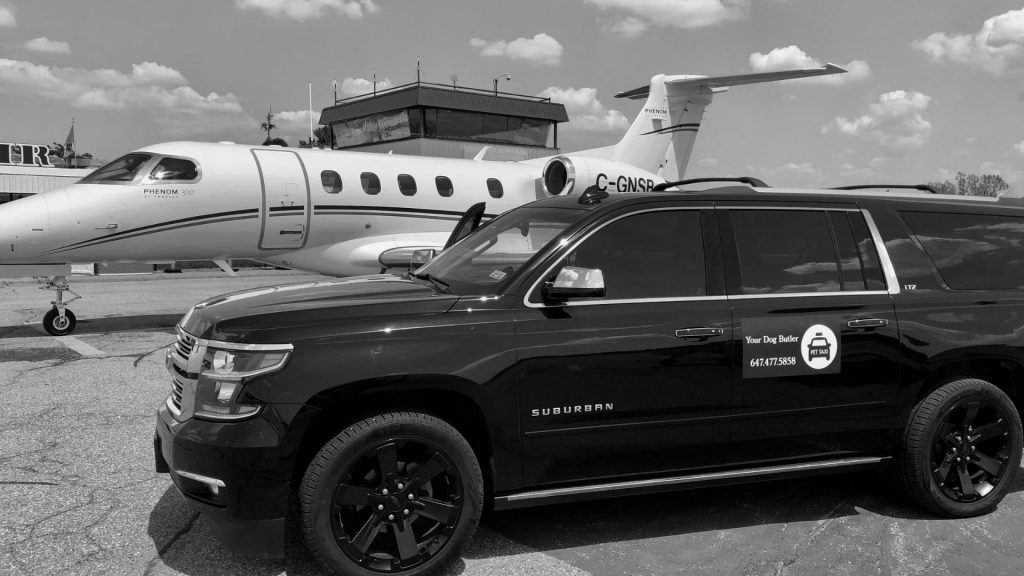
- Safety-First Protocols: Our vehicles are customized for pet safety, our drivers are trained professionals, and our procedures are designed to minimize stress.
- Transparent Communication: We provide regular updates and clear communication throughout your pet’s journey, so you are never left wondering about their well-being.
Myth 5: Pets Need a Literal “Passport” to Travel
The term “pet passport” often causes confusion. While some regions, like the European Union, have a document that functions like a pet passport, for most international travel, the requirement refers to a collection of critical documents, not a single book. This binder of paperwork is your pet’s key to crossing borders smoothly.
The required documents vary immensely by destination but typically involve a government-endorsed health certificate, proof of up-to-date vaccinations, and sometimes specific blood tests or import permits. Assembling this package is meticulous work where a single error can lead to devastating delays or quarantine.
Our expertise in international pet relocation means we manage this entire process for you, ensuring every form is correct and every deadline is met. We consult official sources like the Canadian Food Inspection Agency (CFIA) and the destination country’s authorities to guarantee compliance. Book your pet’s ride or request a quote online today!
Myth 6: Brachycephalic Breeds Cannot Travel at All
This is a nuanced myth. Flying with brachycephalic breeds—those with flat faces like Pugs, French Bulldogs, and Persian cats—does involve significant risks due to their respiratory sensitivities. Many airlines have placed embargoes or strict restrictions on transporting these breeds, especially during warmer months.
However, this does not mean they are grounded forever. It simply means their travel requires specialized planning. For these sensitive pets, safe, climate-controlled ground transportation is often the best and kindest option. As experts in long-distance transport, we provide a premier, safe alternative to air travel. Our vehicles are fully climate-controlled, and we make frequent stops, ensuring a low-stress journey. If you own a brachycephalic breed, call us now at 647-477-5858 for a free consultation.
Myth 7: DIY Pet Travel is Cheaper and Better
While a do-it-yourself approach might seem cost-effective, it often leads to unforeseen expenses, extreme stress, and critical errors. The world of pet travel is a maze of regulations and logistical hurdles. A mistake in paperwork or an incorrect crate size can result in your pet being denied boarding or placed in lengthy quarantine.
The value of a professional service like ours is comprehensive project management and peace of mind. We leverage our expertise to prevent problems before they happen. Our service is an investment in your pet’s safety and your own sanity.
- Expert Knowledge: We are constantly updated on changing airline and country regulations, saving you hours of research and preventing costly mistakes.
- Stress Reduction: We manage all the logistics, removing a massive burden from your shoulders during a stressful move.
- Safety and Security: As the 3-time winner of the Top Choice Award, our reputation is built on the safe and compassionate handling of every pet.
Ultimately, partnering with a trusted expert is the safest way to move your pet. Let our award-winning team show you the difference professional care makes. Call us now at 647-477-5858 or book your pet’s ride online today!
Your Dog Butler serves pet owners across the GTA, including North York, Scarborough, Etobicoke, Mississauga, and Brampton.
Is flying in cargo actually dangerous for pets?
Modern climate-controlled and pressurized cargo holds, combined with IATA-compliant kennel standards, make cargo travel far safer than its reputation suggests. Risk comes mainly from outdated crates, extreme temperature embargoes, or brachycephalic breeds — not cargo travel itself.
Can any small dog or cat fly in the airplane cabin?
No. Airlines set strict combined pet-plus-carrier weight and dimension limits for in-cabin travel, and cabin space is limited and must be booked in advance. Some airlines also restrict which routes or aircraft allow in-cabin pets at all.
Does sedating a pet make air travel easier or safer?
No — most veterinarians and airlines advise against it. Sedation can affect a pet’s ability to regulate body temperature and balance during flight, which is riskier, not easier, especially in a cargo hold’s pressure and temperature changes.
Do all professional pet movers offer the same service?
No. Services vary widely in vehicle safety equipment (crash-tested crates, climate control), staff training, insurance and bonding, and cross-border documentation expertise. Ask specifically about these before booking.
Does my pet need a literal passport to travel internationally?
Not a passport in the human sense — but most countries require a combination of a valid rabies vaccination certificate, a veterinary health certificate, and sometimes a microchip, all issued within specific timeframes before travel.
Can brachycephalic (flat-faced) breeds travel at all?
Yes, with extra precautions. Many airlines restrict or embargo brachycephalic breeds from cargo-hold travel, especially in warm weather, but ground transport and in-cabin options (where size allows) remain available with proper planning.
Is DIY pet travel actually cheaper than hiring a professional?
Not always once you account for crate costs, documentation, fuel or airline fees, and the risk of costly mistakes with customs or airline requirements. See our comparison guide for a full breakdown of DIY versus professional pet relocation.

